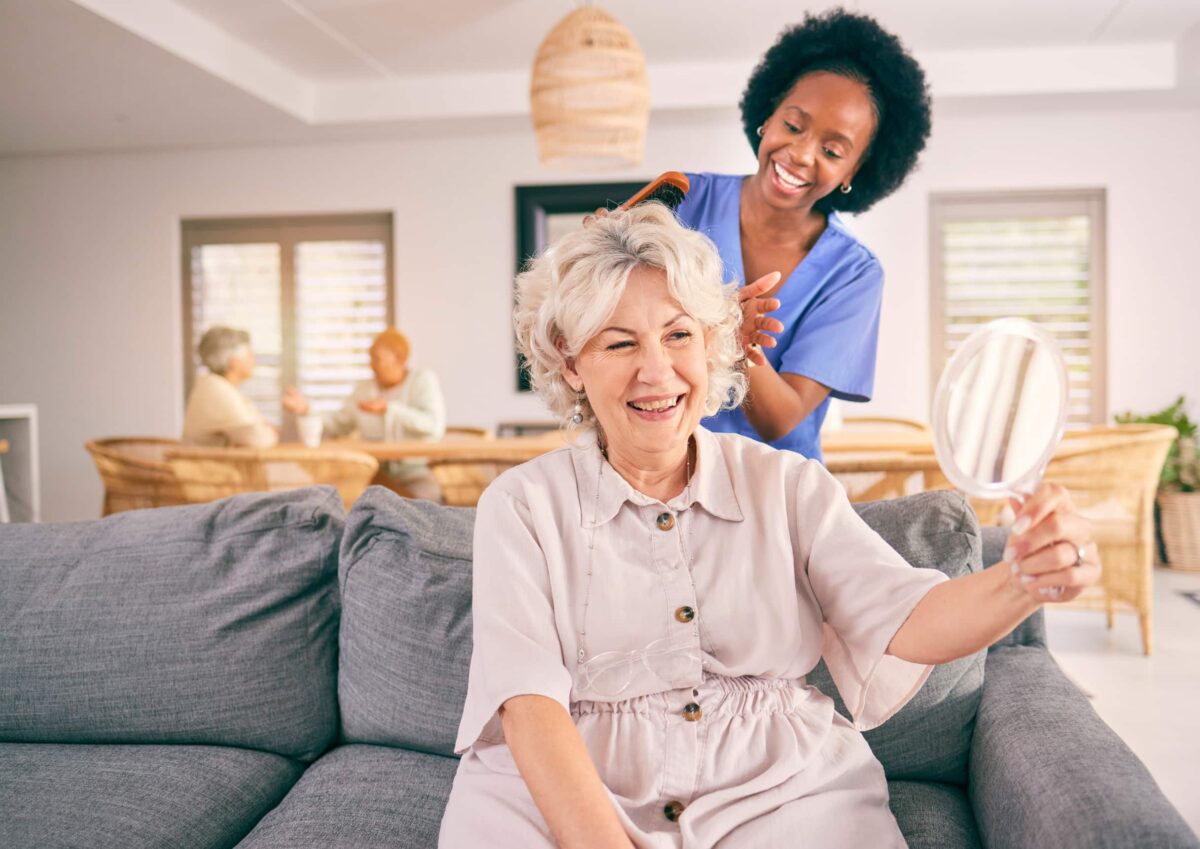
When it comes to senior care, the benefits of home care go far beyond meeting physical needs. For older adults living at home, in-home care offers a unique combination of comfort, familiarity, companionship, and emotional support that no other care service can quite match. Unlike institutional care settings, home health care services allow seniors to stay in their own space while receiving personalized care.
This article is worth reading because it doesn’t just outline the practical side of home care for seniors, it dives deep into the emotional benefits. From enhancing emotional well-being to providing companionship, personalized attention, and a stronger sense of independence, the impact of home care is profound. If you want to understand why home care offers something special compared to other forms of senior care, keep reading.
What Makes Home Care Different from Other Senior Care Services?
When families explore care for seniors, they often face the decision between home care services and institutional care, such as assisted living or nursing homes. While both options provide needed support, the benefit of home care lies in its ability to let older adults age in place, surrounded by memories, familiar routines, and personal belongings. This sense of continuity provides comfort, reduces stress, and enhances emotional well-being.
The Comfort of Familiar Surroundings
Imagine how reassuring it feels to wake up in your own bed, hear the same creaky floorboards you’ve always known, or sip tea in your favorite chair by the window. For older adults living at home, these seemingly small comforts play a massive role in emotional stability. Home care offers seniors the ability to remain in their own environment rather than adjusting to the unfamiliar atmosphere of a care facility.
This familiarity also helps seniors maintain their independence. When caregivers come into the home, they work with the natural flow of the senior’s lifestyle. They adapt to routines instead of forcing drastic changes. As a result, care helps seniors feel more in control, supported, and valued. The emotional impact of staying in a known environment cannot be overstated, it’s one of the most significant emotional advantages of receiving care at home.
The Difference Between Institutional Care and In-Home Care
While institutional care may provide structured medical attention, it can often feel impersonal. In-home care for seniors, on the other hand, is highly flexible. Care providers can adapt their care plans based on the senior’s unique emotional needs, lifestyle preferences, and cultural traditions. This personalized approach to care ensures that every senior gets exactly what they need.
Unlike a care facility where many seniors share the same space and schedule, in-home care offers one-on-one attention. This individualized focus leads to stronger bonds between caregivers and seniors, which not only enhances the quality of physical care but also strengthens emotional connections. Families often find that receiving home care leads to more consistent emotional and mental stability than traditional long-term care settings.
Why Is Emotional Well-Being So Important for Seniors?

When people think about senior care, they often focus on physical health, managing medications, assisting with activities of daily living, or supporting mobility. But emotional well-being of seniors is equally vital. Without a positive emotional state, physical health can quickly decline.
Emotional State and Quality of Life
For older adults, emotional health directly influences their overall quality of life. Seniors dealing with stress, anxiety, or depression are more likely to face physical health complications. On the other hand, those who receive consistent emotional support are better able to maintain resilience and recover from health challenges.
A focus on emotional and social engagement ensures that seniors don’t just live longer, they live better. Emotional care provides comfort, reduces the risk of isolation, and gives many seniors a renewed sense of purpose. By addressing emotional needs, home care extends beyond basic physical support and becomes a holistic approach to care.
How Emotional Health Affects Physical Health
Studies show that a senior’s emotional well-being has a direct effect on their physical and emotional well-being. Stress can weaken the immune system, depression may worsen chronic illnesses, and loneliness can increase the risk of dementia. That’s why care plays a vital role in providing both physical and emotional support.
Caregivers who offer not only practical assistance but also companionship and encouragement help seniors maintain emotional resilience. The connection between mental and emotional health and physical strength proves that care has a significant impact on the lives of seniors beyond just physical needs.
How Do Caregivers Provide Emotional Support in Home Care?
One of the defining aspects of home care services is the role of the caregiver. Unlike large facilities where staff may rotate frequently, caregivers working in in-home care often build deep relationships with seniors. These bonds allow them to provide emotional support in ways that go beyond practical assistance.
Companionship as a Key Factor
At its core, companionship is one of the most valuable aspects of home care for seniors. Caregivers encourage seniors to engage in conversations, share stories, and participate in hobbies that bring joy. This type of engagement helps combat feelings of loneliness and ensures that seniors feel connected to the world around them.
The relationship between a senior and their caregiver is not just about assistance, it’s about creating a sense of belonging. This compassionate care model reminds every senior that they are not alone, helping enhancing their emotional well-being.
Caregivers Encourage Seniors to Engage in Daily Activities
Maintaining independence is essential to emotional health. That’s why care helps seniors stay involved in daily living activities as much as possible. Whether it’s cooking a meal together, taking a short walk, or enjoying a game of cards, these activities promote a sense of normalcy.
By supporting older adults in maintaining control over their routines, home care provides more than physical support, it reinforces dignity, purpose, and emotional stability. In this way, care offers more than assistance; it helps seniors feel valued and respected in their own homes.
What Are the Emotional Benefits of In-Home Care for Seniors?
The emotional benefits of in-home care are far-reaching. From reducing stress to building meaningful relationships, home health care doesn’t just address medical needs, it creates a supportive environment where seniors can lead fulfilling lives.
Reducing Feelings of Loneliness
Loneliness is one of the most pressing challenges for older adults. Many seniors experience isolation due to mobility issues, distance from family, or the loss of loved ones. In-home care offers companionship and interaction that directly combat this. By receiving consistent attention from a trusted caregiver, seniors to remain socially and emotionally connected.
This reduction in isolation strengthens not only the emotional health of seniors but also their physical resilience. As care helps seniors feel supported, they gain confidence and emotional stability.
Enhancing Emotional Resilience
Beyond reducing loneliness, in-home care actively supports emotional resilience. When care helps seniors cope with the challenges of aging, they build the strength to face health difficulties and personal struggles with dignity.
The emotional benefits of in-home care include reduced anxiety, stronger self-worth, and better overall emotional well-being. By focusing on the individual, home care offers seniors not just assistance but the tools to thrive emotionally in later years.
How Does Personalized Care Improve Seniors’ Emotional Health?
One of the greatest strengths of home care lies in its flexibility. Unlike standardized institutional programs, in-home care offers personalized care tailored to each individual’s physical, mental, and emotional needs. This customized approach has a direct impact on emotional well-being, as seniors feel seen, understood, and respected.
Individualized Care Plans Tailored to Emotional Needs
Every senior has a unique story. Some may need extra support because they’ve recently lost a spouse, while others may struggle with chronic illness or mobility limitations. With personalized care plans, care providers can adapt their services to address these specific circumstances.
This individualized focus ensures that care helps seniors emotionally as much as it does physically. For example, a care team may schedule daily visits during the senior’s loneliest hours or arrange activities that trigger positive memories. These thoughtful care plans help build emotional resilience by making older adults feel cared for as individuals, not just patients.
Such individualized care boosts emotional stability and strengthens trust between seniors and caregivers. When seniors feel their voices are heard and their preferences respected, their self-worth improves, and their overall quality of life increases.
Personalized Care Creates Emotional Stability
Personalized care also fosters consistency, which is essential for maintaining a positive emotional state. Unlike rotating staff in long-term care facilities, home health aides often work with the same senior for long periods of time. This stability creates familiarity, comfort, and emotional security.
The result is an environment where seniors can lead fulfilling lives while knowing they have ongoing support. This model of care that enhances both mental and emotional health highlights one of the most overlooked benefits of home care: its ability to provide security and reassurance.
Can Home Health Care Services Improve Seniors’ Quality of Life?

Yes, home health care services go far beyond physical assistance. They nurture both emotional and physical well-being, creating an environment where older adults can thrive.
Physical and Emotional Well-Being Combined
When families consider home health care, they often focus on medical management. But true health care for older adults means addressing both body and mind. Caregivers don’t just monitor medications or assist with mobility, they also engage seniors in conversations, encourage hobbies, and provide emotional companionship.
This combination ensures holistic support for older adults living at home. Seniors who feel emotionally strong are more motivated to stick to exercise routines, follow doctor’s orders, and participate in daily living activities. In other words, care provides both practical assistance and encouragement that makes life more meaningful.
Long-Term Care with Emotional Advantages
For families planning long term care, emotional well-being should never be overlooked. Unlike assisted living communities that may feel rigid or impersonal, home care provides an emotionally rich environment that adapts to seniors’ evolving needs.
The emotional advantages of home care include increased self-confidence, a sense of purpose, and meaningful human connection. This proves that the benefits of home health care extend far beyond medical checkups, they also nurture seniors’ inner strength.
How Does Home Care Help Seniors Stay Independent?
One of the most powerful benefits of home care is that it helps seniors to remain independent in their daily lives. Losing independence is one of the biggest fears for many seniors, and home care services are designed to prevent that loss for as long as possible.
Encouraging Seniors to Remain Active
Independence comes from activity and engagement. Caregivers encourage seniors to engage in light exercise, household tasks, or community activities whenever possible. This proactive support helps seniors to remain physically active and emotionally balanced.
Even small activities, like preparing a simple meal or watering plants, give seniors purpose. These moments strengthen confidence, proving that care helps seniors feel capable and valued. By blending personal care with encouragement, care providers empower older adults to maintain independence.
How Home Care Ensures That Seniors Feel Valued
Beyond physical independence, home care offers emotional independence. Seniors are treated with dignity, not as passive recipients of help. Compassionate care ensures that every senior feels appreciated and respected.
This emotional respect is vital. It reminds seniors feel like contributing members of their families and communities, reinforcing self-worth and enhancing emotional stability.
What Role Does Companionship Play in Senior Care?
One of the most overlooked yet powerful aspects of senior care is companionship. While physical care is important, emotional connection is what keeps older adults truly engaged in life.
Care Also Means Friendship
A caregiver is often more than just a helper, they become a trusted friend. This friendship reduces feelings of loneliness and fosters deeper emotional connections. Companionship ensures that home care extends beyond physical assistance, making it a lifeline for many seniors.
When care also includes friendship, seniors build trust, feel loved, and develop a sense of belonging. This emotional connection strengthens both emotional and social bonds, ensuring seniors feel less isolated.
Social Interactions That Enhance Emotional Well-Being
Human beings are social by nature, and older adults are no exception. Social interactions reduce stress, encourage laughter, and bring joy to daily life. Care that enhances emotional strength often involves simple conversations, sharing meals, or playing games together.
These seemingly small interactions have a huge impact on emotional well-being of seniors. By providing emotional support alongside practical help, home care offers seniors the chance to thrive emotionally.
The Impact of Home Care on Families of Seniors
The impact of home care is not limited to seniors, it also extends to their families. Watching a loved one age can be emotionally and physically draining, but care services among families often ease this burden.
Providing Emotional Support for Families
When a caregiver steps in, families gain peace of mind knowing their loved one is safe, cared for, and emotionally supported. This reassurance strengthens family relationships and reduces stress.
By trusting home health care, families can focus on enjoying time with their loved ones instead of worrying about daily responsibilities. This balance ensures that the emotional load of caregiving is shared.
How Respite Care Helps Caregivers
For family members who act as primary caregivers, burnout is a serious risk. That’s why respite care is such a vital part of home health care services. It allows family members to take breaks, rest, and recharge, knowing their loved ones are in capable hands.
This approach to care highlights that home care provides not just for seniors, but also for the family network around them.
Why Choose Wilou Home Care for Your Loved Ones?
Choosing the right home care provider is a personal decision, and families want the peace of mind that their loved ones will receive not only professional support but also compassionate attention that enhances emotional well-being. With personalized care tailored to individual needs, seniors feel valued, respected, and supported in every aspect of life. From companionship to medical assistance, the right care ensures a holistic approach that nurtures both body and mind. If you want your loved one to truly experience the emotional benefits of in-home care, trust Wilou Home Care to provide compassionate, reliable services that go beyond expectations.
Frequently Asked Questions (FAQs) About the Benefits of Home Care for Seniors
1. What is the main benefit of home care compared to assisted living?
The biggest benefit of home care is that seniors can stay in their own homes, surrounded by familiar surroundings, memories, and routines. Unlike assisted living facilities, which often have strict schedules and shared spaces, in-home care allows for personalized care plans tailored to each individual. This not only maintains independence but also strengthens emotional stability by reducing the stress of adapting to a new environment.
2. How do caregivers improve seniors’ emotional well-being?
Caregivers play a vital role in providing emotional support. Beyond assisting with activities of daily living, they form meaningful relationships with seniors through companionship, conversations, and shared activities. This reduces feelings of loneliness, enhances emotional resilience, and ensures that care helps seniors feel valued. By fostering trust and companionship, caregivers significantly enhance both the mental and emotional health of older adults.
3. Can home health care services help with long-term care needs?
Yes. Home health care services are designed not just for short-term recovery but also for long-term care. With the help of a health care professional or home health aide, seniors can receive medical management, physical assistance, and emotional companionship in the comfort of their homes. This dual focus on medical and emotional needs ensures quality of life while reducing the challenges of institutional care.
4. What emotional benefits can families expect from home care?
Families often feel relieved when their loved ones are receiving compassionate care at home. Not only do they gain peace of mind knowing their senior is safe and happy, but they also benefit from respite care, which allows them to rest and recharge. By sharing responsibilities with a trusted care provider, families can strengthen their own relationships with seniors instead of feeling overwhelmed by caregiving duties
5. Why choose Wilou Home Care for your loved one?
Wilou Home Care is known for its compassionate care and individualized care plans. Their dedicated care team focuses on enhancing the physical and emotional well-being of seniors, ensuring that care offers more than just medical support. With a holistic approach to care, Wilou helps seniors remain independent, emotionally strong, and socially connected. Families who choose Wilou Home Care can be confident their loved ones are receiving not just assistance but true companionship and dignity.